
Lake County's Most Wanted Program
Lake County has no branded most wanted program. The sheriff's navigation, the county public-notice index, and the local court pages carry no reward page, no fugitive profiles, and no Crime Stoppers partnership run at the county level. What the sheriff does publish is a plain Warrant List, and the office does not describe it as a most wanted list. So expect names and a date, not profiles. No names, photos, or roster appear here either, and none belong on a page like this. A copied list would go stale the moment it was posted, and a name match could be unfair to the person behind it. The warrant records that matter live in the court file, and the roster is only the door.
Lake County Warrant List vs Most Wanted
People use the two terms as if they were the same thing. They are not. A most wanted list is short by design: an agency picks a handful of cases it wants the public watching, publishes a profile, and often attaches a reward or a dedicated tip line. A warrant roster is wider and flatter. Lake County's version lists people with open warrants and leaves the details to the court file. That contrast matters when you read a result. A name on a curated list means an agency wants attention on that case right now. A name on the county roster only means a warrant appeared there when the page was last updated. Neither page tells you the charge, the bond, or whether the person is still at large. Note: Absence from either page is not proof that no warrant exists, because a warrant can be new or sealed.
How the Most Wanted Lists Work
Where a program does exist, the shape stays fairly consistent across Minnesota. An agency selects cases that meet its own criteria, publishes a profile with the information it chooses to release, and keeps a tip route open. A profile usually comes down after an arrest, a recall, or some other resolution. The selection step is what readers miss. Nothing about a case makes it automatic. A serious case can still never appear on a public list, because the agency made a different call about publicity. Lake County's own roster runs on the same logic in reverse: it is a publication choice, not a ranking. The flow runs one way, from warrant issued, to publication, to a tip or an encounter, then review, then an arrest or a removal.
Lake County Warrant List Dates and Limits
The date line on the sheriff's list is the most useful thing on the page. Check it every time. A cached search result can lag the live page by weeks, so trust the date you see, not the copy a search engine serves. The page has plain limits too. It offers no search field, no warrant type, no issuing judge, no charge, no bond, no case number, no issue date, and no removal reason. The Lake County jail page separately warns that public roster information may not be current, accurate, or complete. Read the roster as a snapshot, then verify with the court.
Reporting a Tip Safely
The sheriff's instruction on the list is direct: if you know a person's whereabouts, call the office. The sheriff's office publishes its main number and weekday hours. For anything happening right now, call 911.
Do not approach or try to detain anyone. Report what you know to the agency and let officers decide what to do with it. Keep sightings, addresses, vehicle details, and guesses out of public comments and social media threads.
Lake County dispatch answers 911, prepares initial complaint reports, takes messages, and enters warrants into the law-enforcement system. The dispatch page describes that record work. It is not a desk for legal advice or any determination about a court warrant.
Most Wanted Lists vs Active Warrants
Three different records can all point at the same person in Lake County. Each one answers a different question.
| Question | Curated most wanted list | County warrant list | Court case record |
|---|---|---|---|
| What it is | A publicized subset chosen by an agency | A published roster of names | The official file for one case |
| Who publishes it | The agency running the program | The sheriff's office | The court |
| What it shows | A profile and a tip route | Names and an update date | Charges, hearings, orders, and outcomes |
| What it does not prove | That other warrants do not exist | Warrant type, bond, or current status | Nothing about other cases |
The roster is a lead. The case file is the record. When a name shows on the Lake County list, start with the outstanding warrant pages, then call Court Administration.
Lake County Most Wanted Rewards
Lake County posts no reward fund, tip-line partnership, or fugitive task force tied to its warrant list, and the district court page and state payment pages carry none either. Treat that as an absence in the county's publications, not as proof no program has ever existed. An announcement of that kind would land in the notice index first. The public notice page is where a county program, an eligibility rule, or a change to one would be posted.
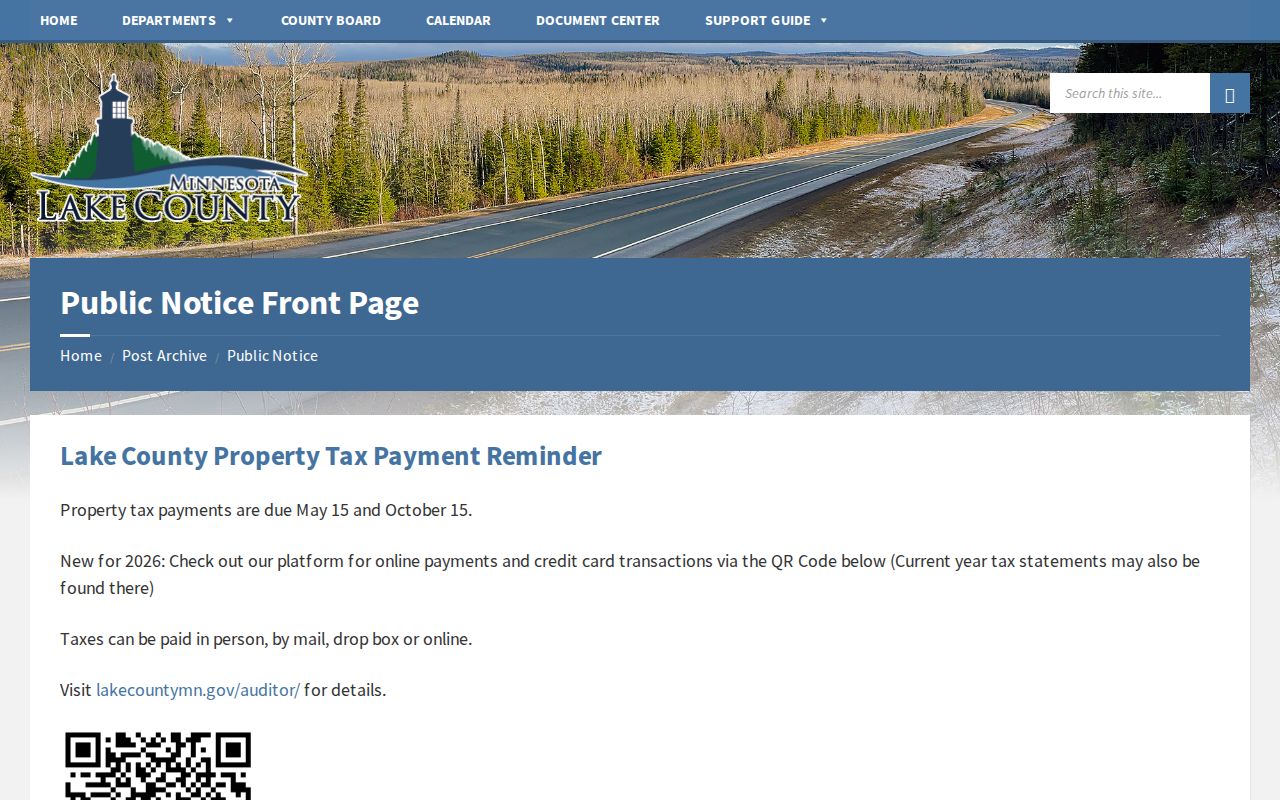
Until a notice appears, assume no reward exists in Lake County. Only the county can say otherwise.
If You Think You Are on a List
Call a lawyer before you draw attention to yourself. An open warrant means an in-person visit can end in custody, and the Lake County courthouse counter is no place to sort that out alone. A lawyer can arrange a hearing, file a motion, set up a scheduled surrender, or learn the conditions a judge would set.
Do not approach the person named on a list. Do not send messages, show up at an address, or post about the case. Contact the sheriff or use 911 if there is immediate danger.
Have the case number ready. Search it in Minnesota Court Records Online, then call Lake County Court Administration and ask what the court requires next. That covers your own status. Hang up on any stranger offering to remove a name for a fee.
Lake County Most Wanted vs Federal Lists
Federal fugitive programs run on their own track. Nothing in a Lake County warrant search will surface them. The U.S. Marshals Service district covering Lake County lists a Duluth contact on its District of Minnesota page. That page names no profiled fugitives for the district. Federal charges are filed in federal court, and the U.S. Attorney's Office for the District of Minnesota walks through the criminal process that follows. The case records then live in PACER. Some documents there carry a fee. Some stay sealed. Even when a federal page covers the same geography, it is not a Lake County roster.
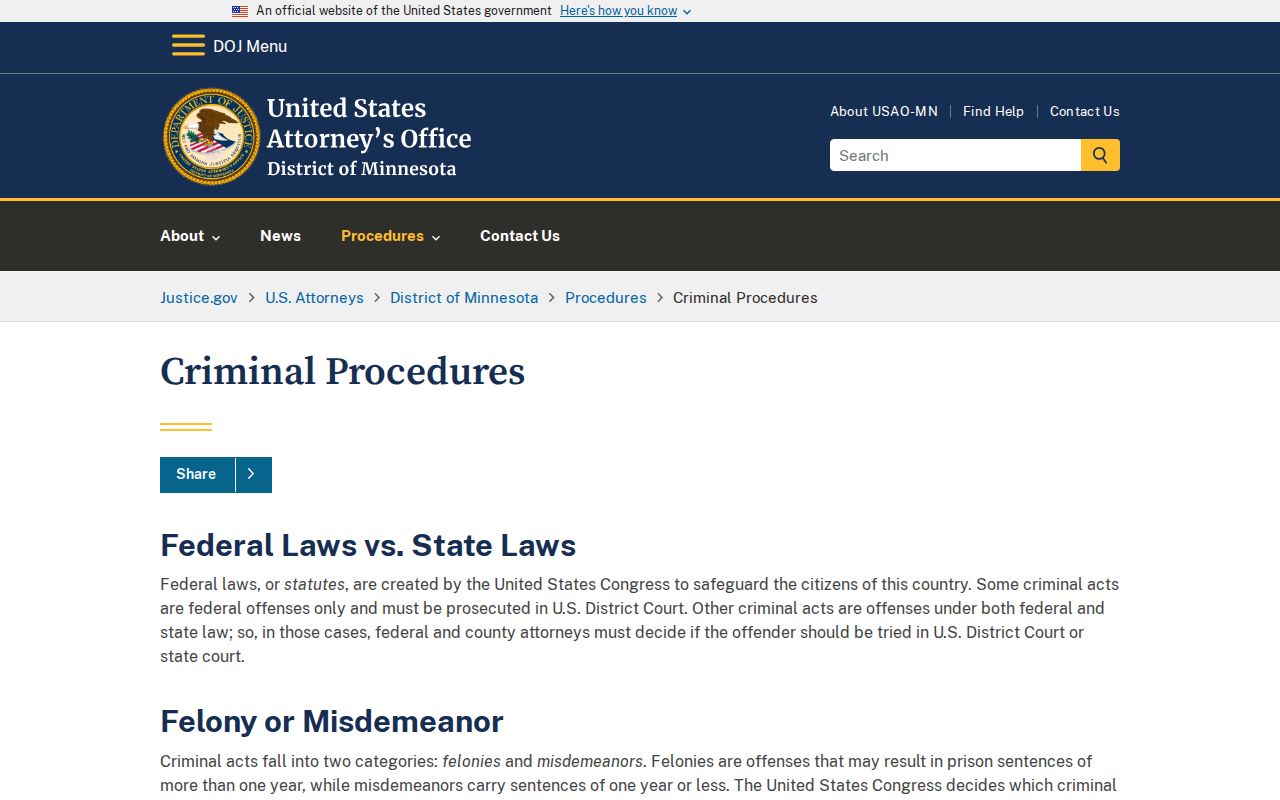
A call to Lake County state court will not resolve a federal warrant. A federal list will not explain a county case.
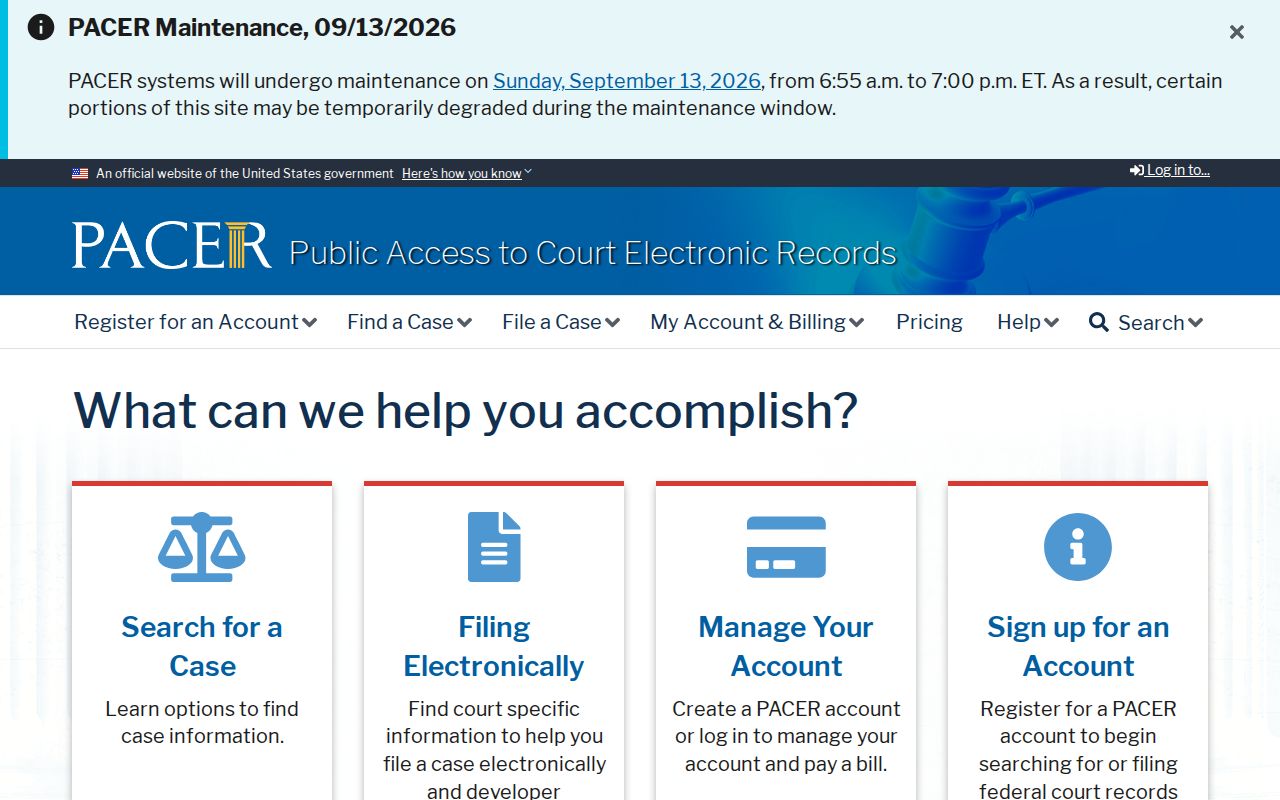
When a search turns from Lake County to federal records, use a federal case number or party name, and expect a registration step before results.
Lake County Warrant Roundups Are Not Amnesty
Lake County runs no warrant roundup and no amnesty day. If one is announced later, read the notice closely before acting. A roundup may mean a scheduled appearance window, a payment plan, or a fee waiver. It rarely means the case disappears. Treat any event promising to clear a warrant for money with the same doubt. Check the sponsoring agency, the participating court, and the eligibility rules against an official notice. Learn how government data requests work in Minnesota first. Never hand personal information to someone who asks out of the blue.
Lake County Most Wanted Status Checks
A published Lake County list cannot confirm a charge, a bond, or whether an order was recalled. The court file can. Start with the case or citation number. Search the public record, then ask Court Administration what the register of actions shows today. Juvenile matters sit behind a different rule. Minnesota Statutes section 260B.171 limits who may see juvenile records, so a young person's case never takes the adult publication path. The Minnesota Judicial Branch FAQ explains what a warrant marker on a court record does and does not mean. Two other pages carry the rest of the picture. The home page covers how warrants are handled across the county. The active warrant pages spell out what a published roster can and cannot tell you.